
- News
- City News
- lucknow News
- Tomato or not: Pureedby prices, sliced by past
Trending
This story is from July 18, 2023
Tomato or not: Pureedby prices, sliced by past
Only two things that money can't buy/And that's true love and homegrown tomatoes." That's Guy Clark's popular song 'Homegrown Tomatoes' released in the summer of 1981. Looks like in the Monsoon of 2023, tomatoes are still burning a hole in our pocket.
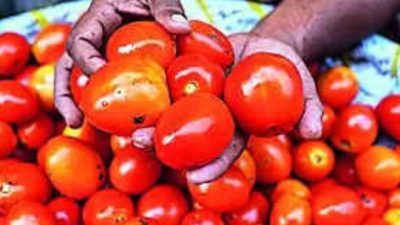
Tomatoes entered India through the Portuguese in the early 16th century
The question that intrigues me isn't about the existential fruit-versus-veggie debate on tomatoes. But the history of its entry into the country and eventually our kitchen.
According to noted food historian KT Achaya, tomatoes weren't part of the food exchange between the Old and New worlds, called the Columbian Exchange that happened in the late 15th centuries and later.
Tomatoes entered India through the Portuguese in the early 16th century. But they were introduced as a berry around areas of their dominion - modern-day Mumbai and Goa - and never made it to the plate.
In its earliest known history, tomatoes were harvested and consumed by Aztecs in Mexico. They called it 'xitomatl' (which means 'fat water with a navel'). After the Spanish conquest of the Aztec Empire in the 16th century, the vegetable reached Europe.
The acceptance of the vegetable was slow though. It was met with suspicion because of people's beliefs about its apparent aphrodisiac properties. People in Florence, Italy, used tomatoes as tabletop decoration until the late 17th century. Americans believed tomatoes were poisonous and didn't harvest them until 1835.
Like the Aztecs, who named the vegetable after its appearance - xitomatl, meaning 'fat water with a navel' - tomatoes elsewhere got no definite names. While Spanish called it 'tomate' and it readily found favour with the local cuisine, the Italian welcomed it into their kitchen as 'pomodoro', which came from 'pomo d'oro', or golden apple. The Arabic term for the vegetable is 'tamatim' and it is called 'tamatar' in Hindi.
Because of the tomato plant's relationship with poisonous plants, like belladonna and mandrake, its acceptance in England was even slower.
In India, as late as 1880, tomatoes were grown chiefly for the European population, writes George Watt in his 'Dictionary of Economic Products of India' (1893). Watt, however, mentions that Bengalis were beginning to appreciate tomatoes and added them in their curries. Now, you know how 'shorshe macher jhol' got its colour and tanginess.
Similarly, originated as a fast lunchtime dish for textile mill workers in British Bombay, pav-bhaji must have led to the earliest acceptance of tomatoes in west Indian food.
In the North, tomato made its entry into the restaurant menus driven by the need of the British gentry to enjoy an Indian curry without facing the consequences the following morning. Butter chicken was thus born.
In the South, thakkali rasam (tomato rasam) soon became a ready fix.
Looking at today's tomato consumption in an Indian household, it is so difficult to believe that the vegetable, still alternatively called Bilati Begun (foreign eggplant) in Bengali, is so new to us.
Perhaps because of its ability to add both texture and colour to the curry, tomato became a hit everywhere. Not to mention, the presence of glutamate in tomatoes. Glutamates are excitatory neurotransmitters that send messages between nerve cells (neurons) in your brain and are basically flavour enhancers.
Like American writer Laurie Colwin said, "A world without tomatoes is like a string quartet without violins", it's time we faced the music for our newfound love for tomatoes.
End of Article
FOLLOW US ON SOCIAL MEDIA






Hot Picks
TOP TRENDING
Explore Every Corner
Across The Globe
AP Inter Results 2025AP Inter 1st and 2nd Year ResultsJEE Main Session 2 Answer KeyIPL Match TodayVinesh PhogatTahawwur RanaAP Inter Results DateKanye West PostKayla NicoleMS DhoniAlex Ovechkin WifeTravis KelceLebron JamesDelhi WeatherAlex Vesia WifeIPL LiveAP Inter Supplementary Exam DateJosh BerryJosh Allen FianceAP Inter ResultsBreaking News TodayKolkata Teacher ProtestCSK Lowest ScoreBarbie Box TrendToday IPL MatchIPL 2025 Points TableIPL Purple CapIPL Orange CapIPL Schedule 2025IPL Points Table
Hot on the Web
Hanuman Jayanti 2025 WishesHanuman Jayanti MessagesHappy Baisakhi 2025Deepika PadukoneJaat Box Office CollectionAkhilendra MishraNitanshi GoelAishwarya Rai BachchanMahesh BhattBryan JohnsonSharp Memory TipsGood Bad Ugly Movie ReviewGood Bad Ugly Box Office CollectionLiver HealthGood Bad Ugly OTT ReleaseMeat Diet VS Vegan DietEssential OilsSikandar Box Office CollectionChhaava OTT ReleaseBrain Boosting TipsMagnesium SupplementsNaturally Fermented DrinksKing Cobra vs MongooseSharmila TagoreAkshay KumarGauahar KhanChhorii 2 X ReviewKaziranga National ParkAmerican WildlifeUmrah vs Hajj visa
Trending Topics
Delhi Airport Flight DelayUFC 316Pakistan CeasefireAP Inter Highest Pass PercentageBrian MaclellanCTET NotificationDelhi NCR WeatherTamil Nadu ElectionsVinesh PhogatKL RahulCorbin BoschAnthony EdwardPrince HarryScottie Pippen Net WorthMS DhoniBarbie Style Dolls TrendIPL 2025 Points TableWWE Smackdown HighlightsTripura TET Admit CardWordle HintsNYT ConnectionsSam AltmanGarena Free Fire MaxElon MuskHow to get coca leaves in Schedule 1Fire Force Season 3Bank Holidays AprilPublic Holidays AprilCraftmine Update
Popular Categories
HeadlinesSports NewsBusiness NewsIndia NewsWorld NewsBollywood NewsHealth+ TipsIndian TV ShowsTechnologyTravelEtimesHealth & FitnessWWENFLICC Champions TrophyAstrologyWeather TodayIPLAnimeApril Bank HolidaysPublic Holidays in AprilIPL TeamsStock Market HolidaysNSE HolidaysBSE HolidaysMCX HolidaysTechnology NewsInternational SportsPublic HolidaysBank Holidays
Latest News
The Legend of Hanuman season 6: Quest for Sanjeevani Booti – all key details you need to knowLeo Horoscope Tomorrow, April 13, 2025: Avoid impulsive decisions2 student killed, 21 injured after college bus overturns in J&K's KupwaraCTET 2025 notification expected soon: Check eligibility, registration steps and key detailsA profound theatrical experience for LucknowitesGabriel Landeskog has emotional homecoming in AHL debut, but fight with young prospect leaves fans uneasyAndhra Pradesh police unravel mystery behind Pastor Praveen Kumar’s deathCongress must talk about status of INDIA bloc, says Shiv Sena (UBT)Shruthi Narayanan makes a public appearance after an alleged video leakSushmita Sen's ex-sister-in-law and TV actress Charu Asopa's video selling clothes online goes viral; internet reacts 'Well done! More power to you'Rise of Telugu cinema at the Indian box officeUPI down: GPay, PhonePe, Paytm and other apps hit by outage as users report failed transactions5.8 magnitude earthquake strikes Pakistan, no immediate damage reported'Hindus forced to flee West Bengal': Giriraj Singh slams Mamata Banerjee over Murshidabad violencePhule director Ananth Mahadevan clears the air on the CBFC controversy, saying the film faces no cutsIPL match today, SRH vs PBKS: Playing XI prediction, head-to-head, Rajiv Gandhi International Cricket Stadium pitch report, Hyderabad weather updateBangladeshi man sentenced for illegal stay in IndiaCancer Horoscope Tomorrow, April 13, 2025: Emotional well-being is key
Copyright © 2025 Bennett, Coleman & Co. Ltd. All rights reserved. For reprint rights: Times Syndication Service